Architectural
Designed to disappear.
Ceiling, in-wall and other architectural speaker approaches can keep the visual focus on the room.
Listening
For people who listen.
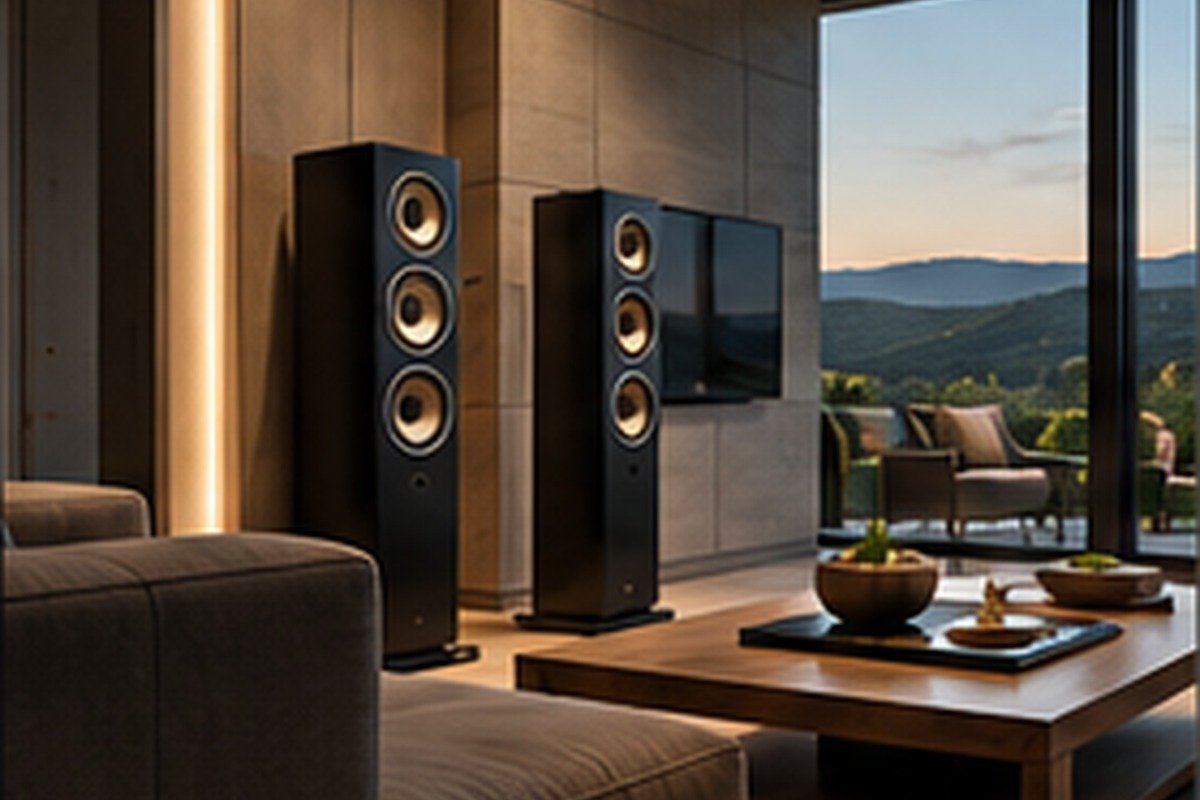
Dedicated two-channel and critical listening environments receive a different level of attention to placement, acoustics and system matching.
Outdoor
Take the experience outside.
Outdoor entertainment areas can be integrated into the same system while being designed for their unique environment.
Control
Simple zone control.
Source selection, volume and playback can be controlled locally or as part of broader home scenes.
Performance
System matching.
Speakers, amplification, processing and source equipment are selected as a system rather than as isolated products.
Service
Built for the long term.
Clear organization and documented infrastructure make a distributed audio system easier to maintain and expand.